
Find us
10a Pavilion Square
Call now
01723 355050
Clinic hours
Mon - 830-430 Tues -12-7
Thur -9-7

What Is Sciatica?

Understanding Sciatica?

Sciatica pain

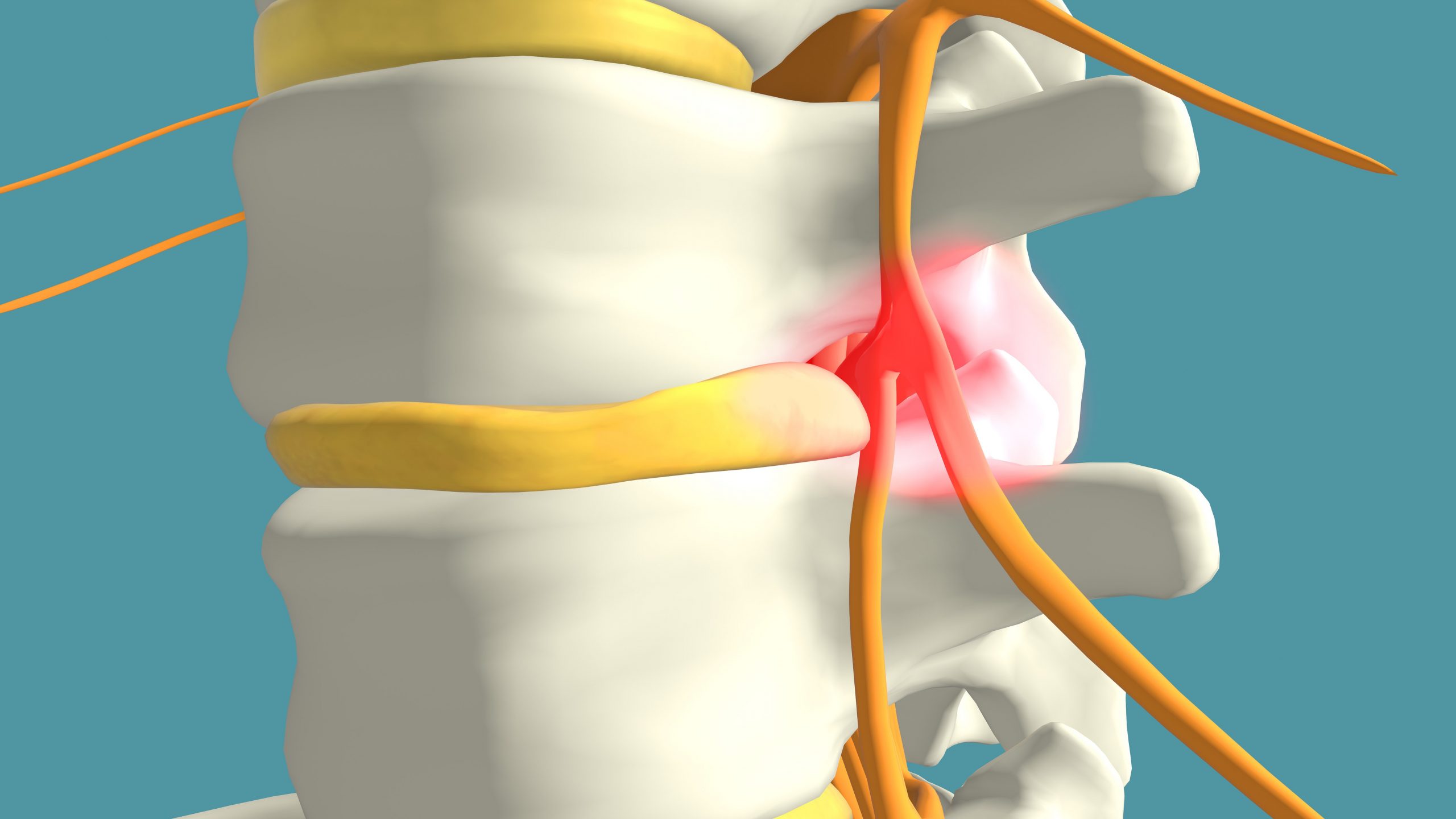
Sciatica is a common condition that causes pain, tingling, or numbness that radiates along the sciatic nerve — the longest nerve in your body. This nerve runs from the lower back, through the hips and buttocks, and down the back of each leg.

Sciatica isn’t a condition on its own — it’s a symptom of an underlying problem that affects the lower spine or nearby structures.

Common Causes of Sciatica

Herniated or Bulging Disc

The most common cause of sciatica. When the soft centre of a spinal disc protrudes or leaks out, it can press on the nearby nerve roots that form the sciatic nerve — triggering pain and weakness in the leg.

Spinal Stenosis

This condition involves the narrowing of the spinal canal, putting pressure on the nerves, including the sciatic nerve. It’s more common in older adults.

Degenerative Disc Disease

As spinal discs age and wear down, they lose their cushioning ability. This can irritate the nerve roots and lead to sciatica symptoms.

Piriformis Syndrome

The piriformis muscle (deep in the buttock) can become tight or inflamed, pressing on the sciatic nerve. This causes sciatica-like pain, often without spinal involvement.

Spondylolisthesis

This occurs when one vertebra slips forward over another, potentially compressing the nerve roots and irritating the sciatic nerve.

Pregnancy

In some women, the growing uterus and postural changes during pregnancy can compress the sciatic nerve, leading to temporary symptoms.

 Rare but Serious Causes

In rare cases, sciatica may be caused by: Spinal tumours, Infections, Trauma or injury to the spine

What Should You Do?

If you’re experiencing: Pain that radiates down one leg, numbness or tingling in the buttocks or thigh, weakness in the leg or foot, pain that worsens when sitting or coughing

…it’s time to get assessed by a professional. Early diagnosis can help you manage symptoms and prevent further problems.

How We Can Help

At Scarborough Chiropractic, we offer:

Thorough assessments of sciatica and its root causes

Chiropractic care and spinal adjustments

Soft tissue therapy and muscle release techniques

Rehab exercises and lifestyle advice tailored to your needs

Book your consultation today and take the first step towards relief.

GCC-Im-registered-logo-1024x576

The General Chiropractic Council

The General Chiropractic Council

GCC-Im-registered-logo-1024x576

If you’re seeing a chiropractor in the UK, it’s important to make sure they’re registered with the General Chiropractic Council (GCC). Here’s why it matters:

Safe, Professional Care

GCC-registered chiropractors are fully trained and follow strict rules to make sure you’re treated safely and respectfully.
Properly Qualified

They’ve completed approved education and passed all the necessary exams to become licensed professionals.

Regulated & Accountable
Chiropractors must keep their skills up to date and follow a professional code of conduct. If something goes wrong, there’s a clear way to raise concerns.

It’s the Law
In the UK, only people registered with the GCC can legally call themselves “chiropractors.” So checking their registration helps protect you from unqualified treatment.

Easy to Check
You can confirm your chiropractor is registered at www.gcc-uk.org
Here at Scarborough Chiropractic we are not only registered with the GCC, but also members of both the British Chiropractic Association and the Royal College of Chiropractors

Arrange an appointment today…

Scarborough chiropractor

Looking for a Chiropractor in Scarborough

Looking for a Chiropractor in Scarborough

Looking for a Chiropractor in Scarborough

The new patient process

When consulting a chiropractor or other health care professional there should be some golden threads which run through the process of the meeting, broadly speaking there should be a case history and examination to find out exactly what is going on and get an get to know the patient and understand their problem, in this sense patients expect healthcare professionals to demonstrate certain skills and qualities.

  1. Clear Communication – Easy-to-understand explanations about their condition, treatment options, and next steps. Avoiding medical jargon and ensuring they fully grasp the information.
  2. Empathy and Compassion – Allowing the patient to feel heard, understood, and respected, with the provider acknowledging their concerns and emotions.
  3. Thorough Assessment – A detailed evaluation of their symptoms and medical history. Time for the patient to tell their story, not feeling rushed or dismissed.
  4. Personalized patient centred Care and Shared Decision-Making – Treatment options tailored to their individual needs and lifestyle. Allowing the patient to be involved in decisions about their care rather than just being told what to do.
  5. Clear Next Steps and Action Plan – Knowing what to expect after the consultation. Clear instructions on exercise, lifestyle changes, follow-up appointments, and when to seek further care.
  6. Efficiency and Accessibility – Short wait times and reasonable appointment lengths. A
  7. Trust and Transparency – Honest discussions about prognosis, risks, and benefits of treatments. Confidence that the provider is knowledgeable and has their best interests in mind.

Here at Scarborough chiropractic, we split this process in to two 30 minute appointments, the first being an initial consultation and examination, this gives the patient time to tell their story, the chiropractor to tease out end fine details and perform a thorough physical examination relevant to the patients complaint. The second appointment, the report of findings and first treatment, again gives the chiropractor the opportunity to reflect on the examination findings and what that means for the patient and their complaint as well as set out a tailored treatment plan and provide their first session of chiropractic care.

What is sciatica

What is sciatica?

Sciatica is a condition characterized by pain that radiates along the path of the sciatic nerve, which is the longest nerve in your body. The sciatic nerve runs from your lower back, through your hips and buttocks, and down each leg, it provides most of the sensation, muscle strength and reflexes in the leg. Sciatica is not a medical diagnosis in itself but rather a symptom of an underlying condition. Several common causes of sciatica include:

  1. Herniated or Bulging Disc: The most common cause of sciatica is a herniated or bulging disc in the spine. When the soft inner material of a disc protrudes or leaks out, it can press on the nerve roots that form the sciatic nerve.
  2. Spinal Stenosis: This is a condition where the spinal canal narrows, putting pressure on the nerves, including the sciatic nerve.
  3. Degenerative Disc Disease: As the discs in the spine age, they can lose their cushioning ability, leading to pain and irritation of the nerves, including the sciatic nerve.
  4. Piriformis Syndrome: The piriformis muscle, located in the buttocks, can sometimes irritate or compress the sciatic nerve, causing sciatica.
  5. Spondylolisthesis: This is a condition where one vertebra slips forward over an adjacent vertebra, putting pressure on the sciatic nerve.
  6. Pregnancy: In some cases, the pressure of the growing uterus on the sciatic nerve during pregnancy can cause sciatica.

And on rare occasions tumours, infection and injury.

Treatment may involve a combination of pain management, physical therapy, and in some cases, surgical intervention. If you suspect you have sciatica or are experiencing persistent pain, it’s essential to seek professional advice for an accurate diagnosis and appropriate treatment.

Chiropractors use a variety of non-invasive techniques to treat sciatica, with the goal of relieving pain and improving function. It’s important to note that while some people find relief from chiropractic care, however the effectiveness of these treatments can vary. Here are some common chiropractic approaches to treating sciatica:

  1. Spinal Adjustments (Manipulation): Chiropractors often use spinal adjustments to realign the spine and reduce pressure on the sciatic nerve. This involves the application of controlled force to specific joints, aiming to improve mobility and alleviate pain.
  2. Flexion-Distraction Technique: This is a gentle, hands-on spinal manipulation technique that involves using a specialized table to stretch and decompress the spine. It can be particularly useful for treating conditions like herniated discs that may be contributing to sciatica.
  3. Therapeutic Exercises: Chiropractors may recommend specific exercises to strengthen the core muscles and improve the stability of the spine. Strengthening these muscles can help support the lower back and reduce pressure on the sciatic nerve.
  4. Lifestyle and Postural Advice: Chiropractors often provide guidance on ergonomics, posture, and lifestyle modifications to help prevent the recurrence of sciatic pain. This may include recommendations for proper sitting, standing, and lifting techniques.

While people experience relief from chiropractic treatments, it is important to acknowledge that others may find more benefit from a combination of approaches, including physical therapy, medication, and, in severe cases surgical intervention is required.

Always discuss your symptoms and treatment options with a healthcare provider, such as chiropractor to determine the most appropriate and evidence-based approach for your specific situation.

Our approach
We have a flexible approach, aiming to find a gentle and effective treatment to suit the needs of you, your lifestyle and your health goals.
Our chiropractor has completed an undergraduate masters qualification in chiropractic, is a member of the British Chiropractic Association (BCA), registered with the General Chiropractic Council (GCC), as well as completing an extra year of pre-registration training to become a member of the College of Chiropractors (CoC).

We take pride in the fact that the majority of our patients come to us through the recommendation of other satisfied patients.

See all services…

What in the spine does manipulation effect?

What in the spine does manipulation effect?

Spinal manipulation by chiropractors primarily targets the vertebral column, which is the central structure of the spine. The vertebral column consists of 24 individual vertebrae when you discount the fused ones in the sacrum and coccyx, these are stacked on top of one another and separated by intervertebral discs. The spine is divided into several regions, including the cervical, thoracic, lumbar, sacral, and coccygeal regions. Chiropractic manipulation can have an impact on several components of the spine, including:

Vertebrae: Chiropractic adjustments are primarily focused on the individual vertebrae. By applying controlled force to specific vertebrae, chiropractors aim to improve mobility and alignment, which can help alleviate pain and improve overall function.

Intervertebral discs: These discs act as cushions between the vertebrae and help absorb shock. Spinal manipulation can potentially affect the position and function of these discs, which is important for maintaining spinal flexibility and preventing issues such as herniated discs.

Spinal joints: The manipulation aims to influence the movement and function of the spinal joints, including the facet joints, which are located at the back of each vertebra. These joints are crucial for enabling smooth spinal movement and any dysfunction can contribute to pain and stiffness.

Spinal nerves: Manipulation can indirectly affect spinal nerves by reducing pressure or irritation on them. This can lead to the alleviation of pain and improvement in the functioning of the nervous system.

Chiropractors believe that by adjusting the spine, they can positively influence the nervous system, musculoskeletal system, and overall health of the body.

Why do chiropractors vary in price in the UK?

The cost of seeing a chiropractor in the UK can vary depending on factors such as the location of the clinic, the experience of the chiropractor, and the specific services offered. Additionally, prices may differ based on whether the appointment is for an initial consultation, a follow-up session, or a treatment package.

The cost for an initial consultation with a chiropractor in the UK typically ranges from £40 to £80 or more. Follow-up sessions might be in the range of £30 to £60 per session. These are approximate figures and can vary. At Core Chiropractic an initial consultation, including treatment costing £63 (£50 if booked online) and £38 per follow up session.

Is chiropractic available on the NHS?

Chiropractic treatment is not widely available on the National Health Service (NHS) in the UK. Chiropractic care is considered a complementary and alternative medicine, and access to it through the NHS is limited.
In some cases, a GP may refer a patient to a private chiropractor, but the NHS itself does not typically provide chiropractic services as part of its standard offerings. Patients interested in chiropractic care may need to seek private treatment and cover the costs themselves or through private health insurance if they have coverage for such services.

Is chiropractic in the UK regulated?

Yes, chiropractic is regulated in the United Kingdom. The regulatory body responsible for overseeing chiropractors in the UK is the General Chiropractic Council (GCC). The GCC is an independent statutory body established by the Chiropractors Act 1994. Its primary role is to protect the public by setting standards of education, conduct, and practice for chiropractors.
Chiropractors in the UK must be registered with the GCC to practice legally. The GCC maintains a public register that includes details of all registered chiropractors, allowing patients to check the credentials of their chiropractor and ensuring that they meet the required standards.
The regulation by the GCC includes requirements for education and training, professional conduct, and ongoing professional development for chiropractors. This regulatory framework is in place to ensure that chiropractic care in the UK is provided safely, ethically, and with a high standard of competence.


Why do chiropractors manipulate the spine?

Why do chiropractors manipulate the spine?

Chiropractic Spinal Manipulation

Chiropractors manipulate the spine with the intention of treating various musculoskeletal disorders, particularly those related to the spine and its surrounding structures. The basic idea behind spinal manipulation is that the body has the inherent ability to heal itself. Chiropractic treatment, including spinal manipulation, is based on the principle that the relationship between the body’s structure, particularly the spine, and its function affects health.

Chiropractic adjustments are believed to help improve spinal motion and enhance the body’s physical function. Chiropractors aim to address issues like back pain, neck pain, headaches, and other conditions related to the musculoskeletal system, often through the manipulation or adjustment of the spine. By applying controlled force to joints that have become restricted in their movement, chiropractors seek to restore mobility, alleviate pain, and facilitate the body’s natural ability to heal itself without the use of medication or surgery.

Read some of our latest case studies here…


What is a chiropractic adjustment

What is a chiropractic adjustment?

A chiropractic adjustment, also known as spinal manipulation, is a therapeutic procedure commonly used by chiropractors to treat musculoskeletal issues, particularly those related to the spine. The goal of a chiropractic adjustment is to improve spinal function, alleviate pain, and promote the body’s natural ability to heal itself. During this procedure, a chiropractor applies controlled, quick force to a specific joint in the spine or other parts of the body to improve its range of motion and overall function.

Here are some key aspects of a chiropractic adjustment:

Techniques: Chiropractic adjustments can be performed using various techniques, such as high-velocity, low-amplitude thrusts, spinal mobilization, or gentle manual manipulation. The specific technique used depends on the patient’s condition, preferences, and the chiropractor’s assessment.

Pop or Cracking Sound: During a chiropractic adjustment, you might hear a popping or cracking sound. This noise is caused by the release of gas bubbles from the joints as pressure is applied, creating a temporary drop in joint pressure, which is completely normal.

Post-Adjustment Care: After a chiropractic adjustment, the chiropractor may provide guidance on postural improvements, exercises, and lifestyle modifications to help maintain the effects of the adjustment and promote overall musculoskeletal health.

Chiropractic adjustments are commonly used to treat various conditions, including back pain, neck pain, headaches, and joint-related issues. Additionally, it’s crucial to communicate openly with the chiropractor about any concerns or pre-existing health conditions to ensure the safety and effectiveness of the procedure.

text neck

What is Text neck

Text neck

Text neck refers to a condition characterized by neck pain and discomfort that is associated with prolonged use of electronic devices, such as smartphones, tablets, and computers. When people use these devices, they often tilt their heads forward and down, placing strain on the neck and upper spine. The term “text neck” emerged due to the increased prevalence of these symptoms in recent years, coinciding with the widespread use of handheld devices and excessive screen time, however the cynic in me questions this term, did we have ’book reading neck’ before text neck?

text neck

The repetitive and prolonged forward head posture while using electronic devices (or reading books) can cause various musculoskeletal issues. It places additional stress on the muscles, ligaments, and tendons of the neck and upper back, leading to symptoms like neck pain, stiffness, headaches, shoulder pain, and even numbness or tingling in the arms and hands. The condition can also affect posture and lead to long-term spinal alignment problems.

Tech pain

While some debate exists regarding the term “text neck” as a distinct medical diagnosis, there is consensus among health professionals that the posture and musculoskeletal problems associated with prolonged device usage can contribute to neck pain and related symptoms. The phenomenon is not limited to texting alone but encompasses any activity that involves prolonged use of handheld electronic devices.


To mitigate the risk of text neck or similar conditions, it is advisable to maintain good posture while using electronic devices. This includes holding devices at eye level, taking frequent breaks, practicing neck stretches and exercises, and maintaining an overall healthy posture throughout the day. If you are still experiencing neck pain then there are a few things we can do in the clinic which should help your pain and discomfort, we could manipulate or mobilise the joints, as well as working on the soft tissues with dry needling, myofascial release or instrument assisted soft tissue mobilisation.


Can older people have chiropractic care?

Chiropractic care in the elderly.

Firstly, chiropractic care is appropriate for the elderly population. Because we use several different techniques in the clinic, not just spinal manipulative therapy, we can select more appropriate techniques which are gentler and more appropriate for the patient in front of us. We can select from several modalities including mobilisations, dry needling, activator to name a few.

We go grey, we go bald, and we get wrinkles, our joints go through this same aging process and can be quite different from person to person. Older patients will often experience stiffness and aching which waxes and wanes, comes and goes, and can be dependent on activity. With the right combination of treatment techniques pain levels can be vastly reduced, and mobility greatly improved. All this adds up to an improved quality of life, whether it be being able to pick the grandkids up, get out in the garden or simply walk further pain-free.

One of the biggest risks of morbidity in the elderly is falling, by being more mobile and active we can build strength and resilience (active care) which will reduce this risk significantly.

Lastly, Chiropractic care is more than just pain relief. We give our patients advice about nutrition, movement, and light exercises. This can improve your sleep and give you more confidence. In addition, this generally makes you feel better.


The Facet Joint

The Facet Joint

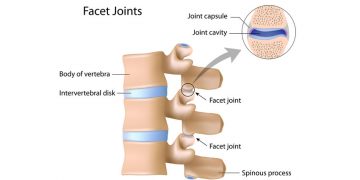
The facet joints make up part of the three joint complex which governs movement in each motion segment of the spine.…

Read Post
What Is Sciatica?

What Is Sciatica?

Understanding Sciatica? Sciatica is a common condition that causes pain, tingling, or numbness that radiates along the…

Read Post
What is sciatica

What is sciatica?

Sciatica is a condition characterized by pain that radiates along the path of the sciatic nerve, which is the longest…

Read Post
text neck

What is Text neck

Text neck Text neck refers to a condition characterized by neck pain and discomfort that is associated with prolonged…

Read Post
Accupunture treatment york

What is Dry needling?

Accupunture treatment york

Understanding Dry needling?

It has been shown that our bodies can develop areas of hypersensitivity as a response to various stresses i.e. postural, repetitive movements, psychological, emotional, etc. Dry needling involves placing a fine needle into these areas of sensitivity. It is used to stimulate the healing process for soft tissue injuries. It is fairly similar to acupuncture, however, while acupuncture is based on Chinese medicine, using specific points on the body, dry needling basically involves putting needles in sensitive tissue.

How does dry needling help?

By putting a needle into sensitive tissue we hope to stimulate a response, this is not well understood but is thought to involve an inflammatory mediator response leading to a reduction in pain. What we also often see is some redness on the skin around the needle suggesting a local vasodilatory response helping to metabolically ‘reset’ the tissue, similar to that seen after massage.

Does it hurt?
Typically, patients do feel something when we use dry needling techniques, this can be a scratch as the needle goes in, or if we hit the really sensitive tissue, it can give a deep ache and possibly some referred pain around the site of the needle.

Equally the area can sometimes feel sore or tight for 12-24 hours after therapy, but you should then start to feel the benefit.

Although Dry Needling has been around for years, it is a relatively new treatment to many. It is safe, effective and a nice adjunct to the manual and manipulative therapies that we provide at Scarborough Chiropractic.