Find us
10a Pavilion Square
Call now
01723 355050
Clinic hours
Mon - 830-430 Tues -12-7
Thur -9-7
What is sciatica

What is sciatica?

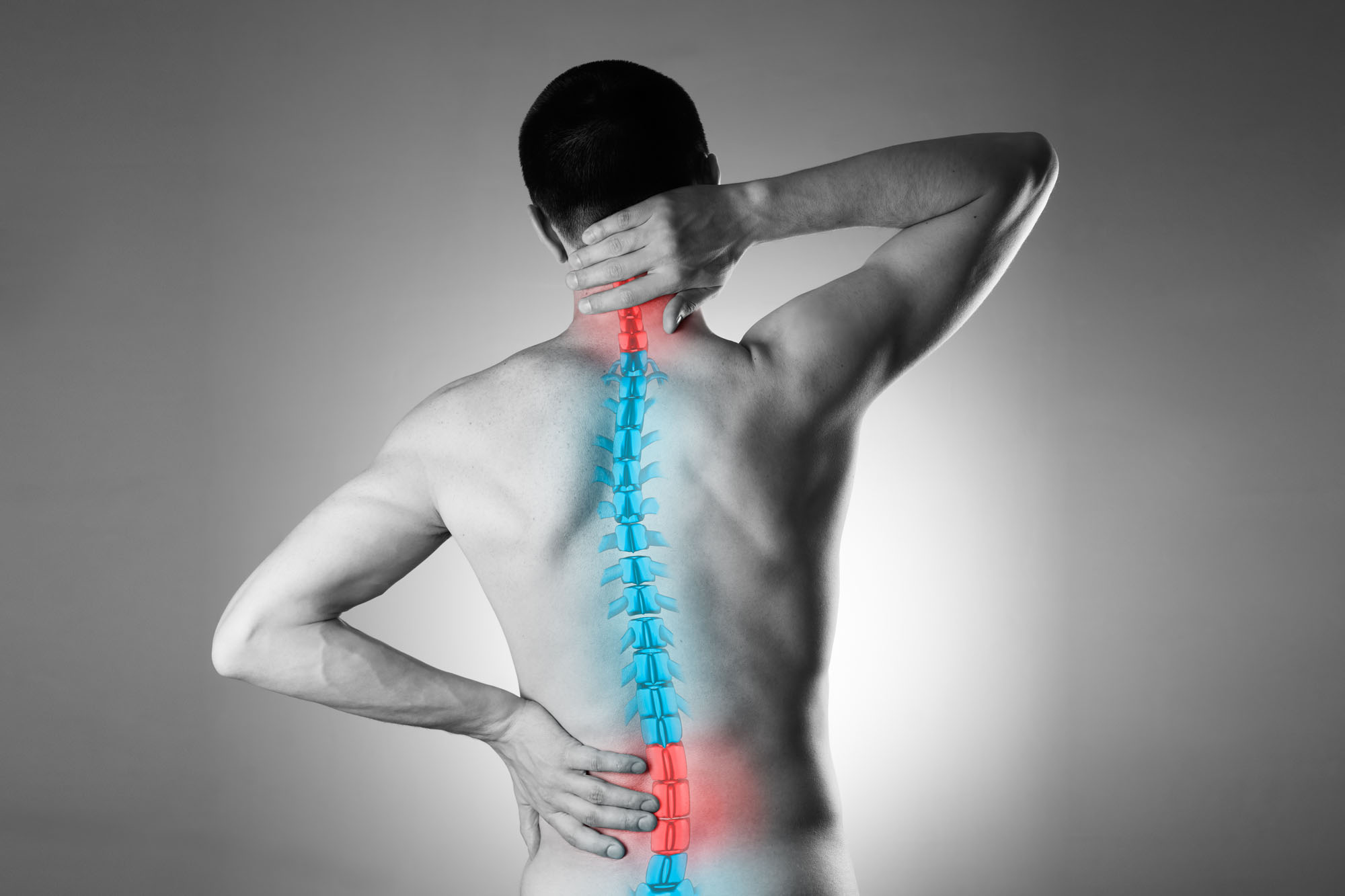
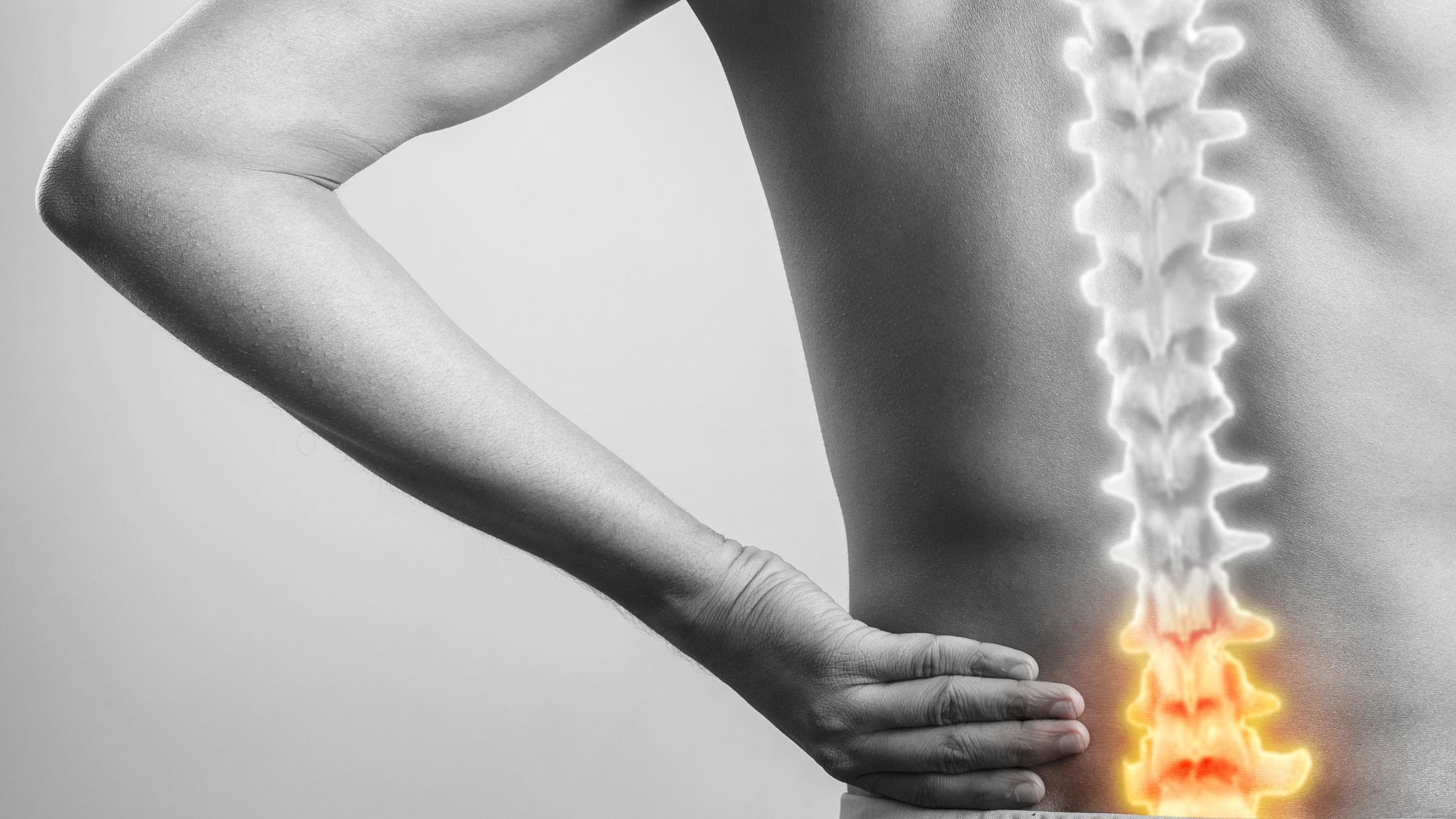
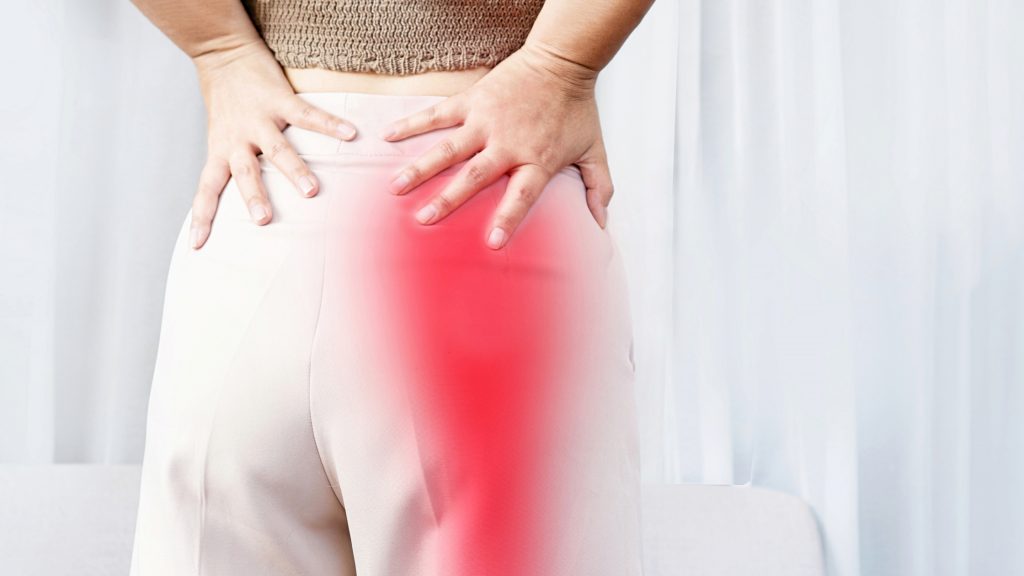
Sciatica is a condition characterized by pain that radiates along the path of the sciatic nerve, which is the longest nerve in your body. The sciatic nerve runs from your lower back, through your hips and buttocks, and down each leg, it provides most of the sensation, muscle strength and reflexes in the leg. Sciatica is not a medical diagnosis in itself but rather a symptom of an underlying condition. Several common causes of sciatica include:

  1. Herniated or Bulging Disc: The most common cause of sciatica is a herniated or bulging disc in the spine. When the soft inner material of a disc protrudes or leaks out, it can press on the nerve roots that form the sciatic nerve.
  2. Spinal Stenosis: This is a condition where the spinal canal narrows, putting pressure on the nerves, including the sciatic nerve.
  3. Degenerative Disc Disease: As the discs in the spine age, they can lose their cushioning ability, leading to pain and irritation of the nerves, including the sciatic nerve.
  4. Piriformis Syndrome: The piriformis muscle, located in the buttocks, can sometimes irritate or compress the sciatic nerve, causing sciatica.
  5. Spondylolisthesis: This is a condition where one vertebra slips forward over an adjacent vertebra, putting pressure on the sciatic nerve.
  6. Pregnancy: In some cases, the pressure of the growing uterus on the sciatic nerve during pregnancy can cause sciatica.

And on rare occasions tumours, infection and injury.
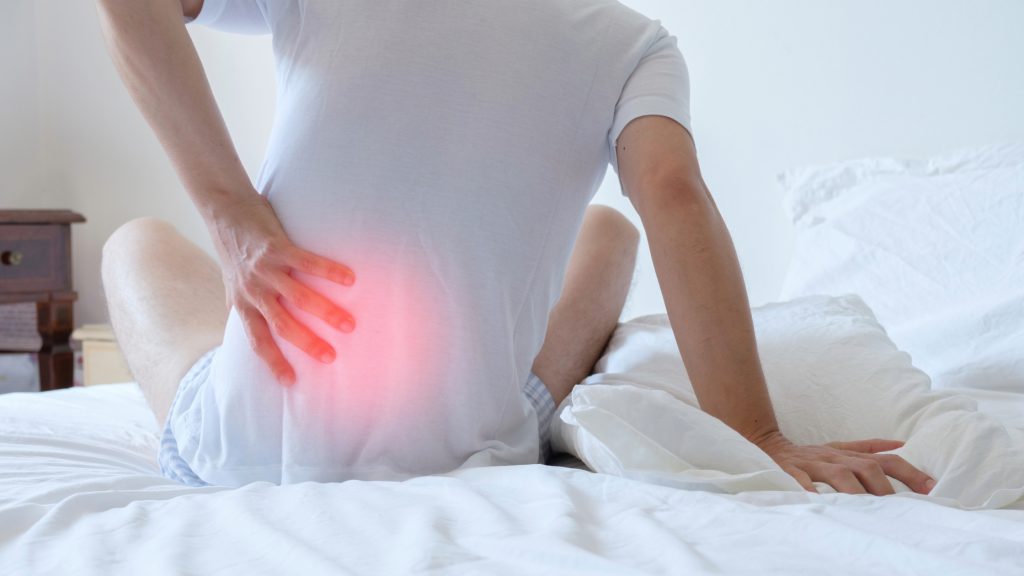
Treatment may involve a combination of pain management, physical therapy, and in some cases, surgical intervention. If you suspect you have sciatica or are experiencing persistent pain, it’s essential to seek professional advice for an accurate diagnosis and appropriate treatment.

Chiropractors use a variety of non-invasive techniques to treat sciatica, with the goal of relieving pain and improving function. It’s important to note that while some people find relief from chiropractic care, however the effectiveness of these treatments can vary. Here are some common chiropractic approaches to treating sciatica:

  1. Spinal Adjustments (Manipulation): Chiropractors often use spinal adjustments to realign the spine and reduce pressure on the sciatic nerve. This involves the application of controlled force to specific joints, aiming to improve mobility and alleviate pain.
  2. Flexion-Distraction Technique: This is a gentle, hands-on spinal manipulation technique that involves using a specialized table to stretch and decompress the spine. It can be particularly useful for treating conditions like herniated discs that may be contributing to sciatica.
  3. Therapeutic Exercises: Chiropractors may recommend specific exercises to strengthen the core muscles and improve the stability of the spine. Strengthening these muscles can help support the lower back and reduce pressure on the sciatic nerve.
  4. Lifestyle and Postural Advice: Chiropractors often provide guidance on ergonomics, posture, and lifestyle modifications to help prevent the recurrence of sciatic pain. This may include recommendations for proper sitting, standing, and lifting techniques.
While people experience relief from chiropractic treatments, it is important to acknowledge that others may find more benefit from a combination of approaches, including physical therapy, medication, and, in severe cases surgical intervention is required.

Always discuss your symptoms and treatment options with a healthcare provider, such as chiropractor to determine the most appropriate and evidence-based approach for your specific situation.

Our approach
We have a flexible approach, aiming to find a gentle and effective treatment to suit the needs of you, your lifestyle and your health goals.
Our chiropractor has completed an undergraduate masters qualification in chiropractic, is a member of the British Chiropractic Association (BCA), registered with the General Chiropractic Council (GCC), as well as completing an extra year of pre-registration training to become a member of the College of Chiropractors (CoC).

We take pride in the fact that the majority of our patients come to us through the recommendation of other satisfied patients.

See all services…

text neck

What is Text neck

Text neck

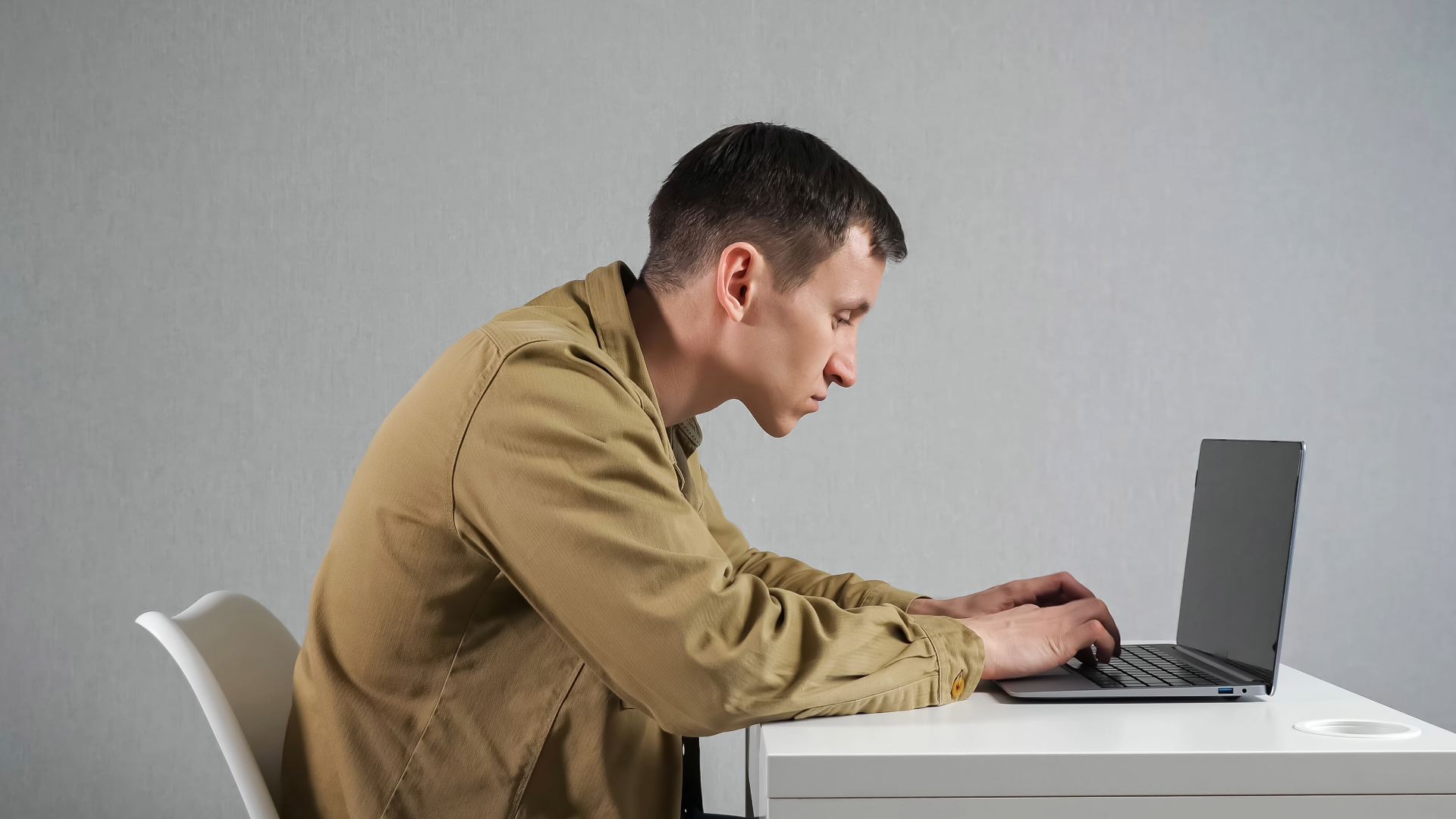
Text neck refers to a condition characterized by neck pain and discomfort that is associated with prolonged use of electronic devices, such as smartphones, tablets, and computers. When people use these devices, they often tilt their heads forward and down, placing strain on the neck and upper spine. The term “text neck” emerged due to the increased prevalence of these symptoms in recent years, coinciding with the widespread use of handheld devices and excessive screen time, however the cynic in me questions this term, did we have ’book reading neck’ before text neck?

text neck

The repetitive and prolonged forward head posture while using electronic devices (or reading books) can cause various musculoskeletal issues. It places additional stress on the muscles, ligaments, and tendons of the neck and upper back, leading to symptoms like neck pain, stiffness, headaches, shoulder pain, and even numbness or tingling in the arms and hands. The condition can also affect posture and lead to long-term spinal alignment problems.

Tech pain

While some debate exists regarding the term “text neck” as a distinct medical diagnosis, there is consensus among health professionals that the posture and musculoskeletal problems associated with prolonged device usage can contribute to neck pain and related symptoms. The phenomenon is not limited to texting alone but encompasses any activity that involves prolonged use of handheld electronic devices.


To mitigate the risk of text neck or similar conditions, it is advisable to maintain good posture while using electronic devices. This includes holding devices at eye level, taking frequent breaks, practicing neck stretches and exercises, and maintaining an overall healthy posture throughout the day. If you are still experiencing neck pain then there are a few things we can do in the clinic which should help your pain and discomfort, we could manipulate or mobilise the joints, as well as working on the soft tissues with dry needling, myofascial release or instrument assisted soft tissue mobilisation.


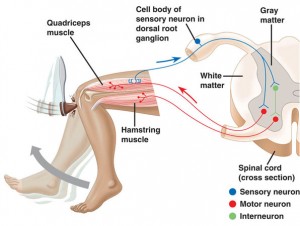
Proprioception, Reflexes, Buckling and Injury

Having recently completed a course in manual muscle testing, which had a focus on assessing the muscle during eccentric loading (while the muscle is lengthening), I was left with a number of questions unanswered or partially answered. For this reason I went away and did some digging around!

Read More

Play what is in front of you!

Play what is in front of you!

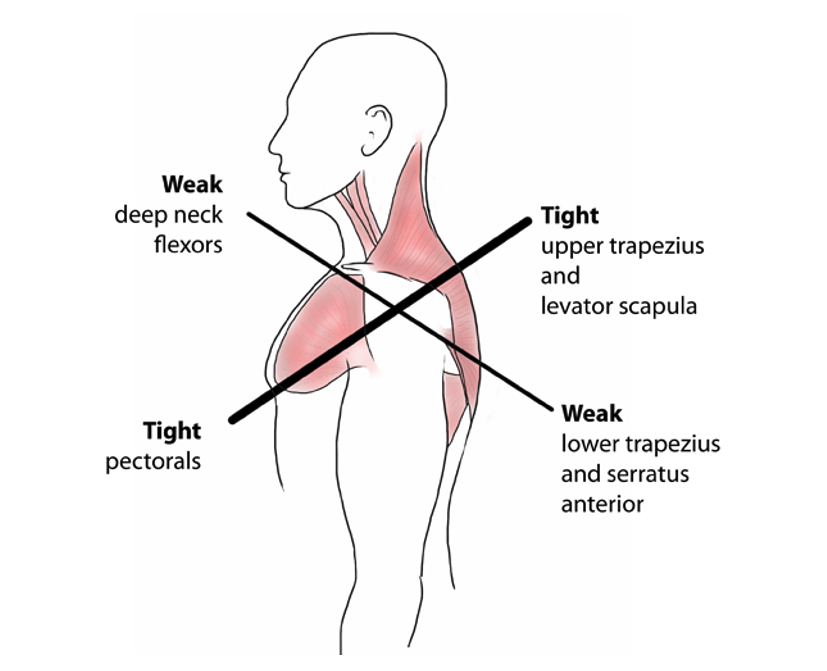
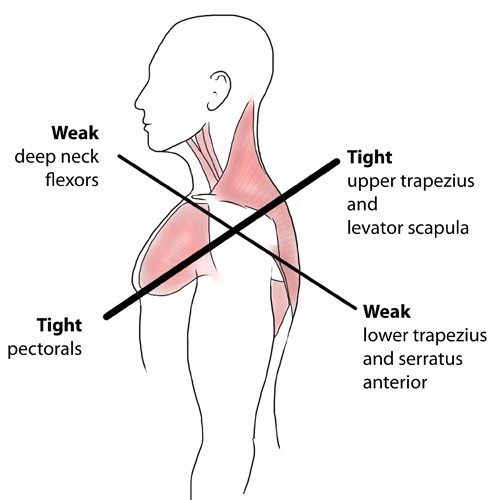
Having played rugby league for nearly 20 years to a reasonable standard and having played a good portion of that in a decision making the role of halfback there are a number of things which have stuck with me, one of the more prominent sayings that were impressed upon us was to ‘play what is in front of you’. What is meant by this is that when you are attacking with ball in hand you need to make the right decision or pick the right pass depending on what the defence is doing in front of you. How does this apply to the clinic? Well if we consider a team who play with a lot of structure to their attack, using all pre-determined plays i.e. we go from A to B to C, the game becomes very cookbook and it is the same with clinic, if a patient presents with X we do Y and Z to get the desired outcome, this works well when we are dealing with a standardised form, however like a opposition defences are unpredictable, patients rarely fit that clearly defined clinical picture which we were taught at university. For example we were taught at university that there was a condition related to posture called upper crossed syndrome (see image), in the 8 or so years that I have been out in the real world I have rarely if ever seen this complete syndrome, have I seen components of it? Yes, was it relevant to the patient’s complaint? Sometimes. Sometimes it needs to be dealt with and others it can be left and the patient will get on just fine leaving it, because to change it would mean altering posture, and posture often comes back to the most energy-efficient and comfortable position for that individual, so we need to play what it is in front of us i.e. the patient and make clinical decisions as to whether something is relevant or not.

The Joint by joint approach, victims and villains

The Joint by joint approach, victims and villains

This approach basically suggests that as we move we need certain joints to be stable while others are mobile. From the bottom up, we need a stable foot, mobile ankle, stable knee, mobile hip, stable lumbar spine, mobile thoracic spine (rib cage), stable neck and shoulder blade, mobile shoulder joint and so on down through the elbow, wrist and hand. This stands to reason in my eyes when we look at the anatomy of the joints, if we look at the knee, it is basically a big hinge, which moves predominantly through flexion and extension, although we can develop some small degree’s rotation in it. In comparison consider the hip, which is a ball and socket joint, the very nature of the ‘ball’ at the top of thigh bone should give an indication that the joint should move in multiple directions, which a healthy hip joint can quite happily do!

This approach to movement is quite relevant in today’s society. People are sitting for longer periods of time, what this leads to is joints which should be mobile becoming stiff, the ankle, hip and thoracic spine, while we then ask more of joints which should be stable, the foot, the knee and the lumbar spine. This is where victims and villains come into it, the site of the pain is not where the problem is. Take for example the knee, non-traumatic knee pain, patella-femoral pain syndrome or ilio-tibial band pain, very rarely is problem in the knee, it is just the victim of altered joint function either above it at the hip or below it at the ankle and foot, either one or both being the villain! So we could try and treat the knee, hopefully get some symptomatic relief, or we could look at the bigger picture, working out where the villain is and correcting that painless dysfunction which will then help the ‘stabilise’ the knee in the long run.