What in the spine does manipulation effect?
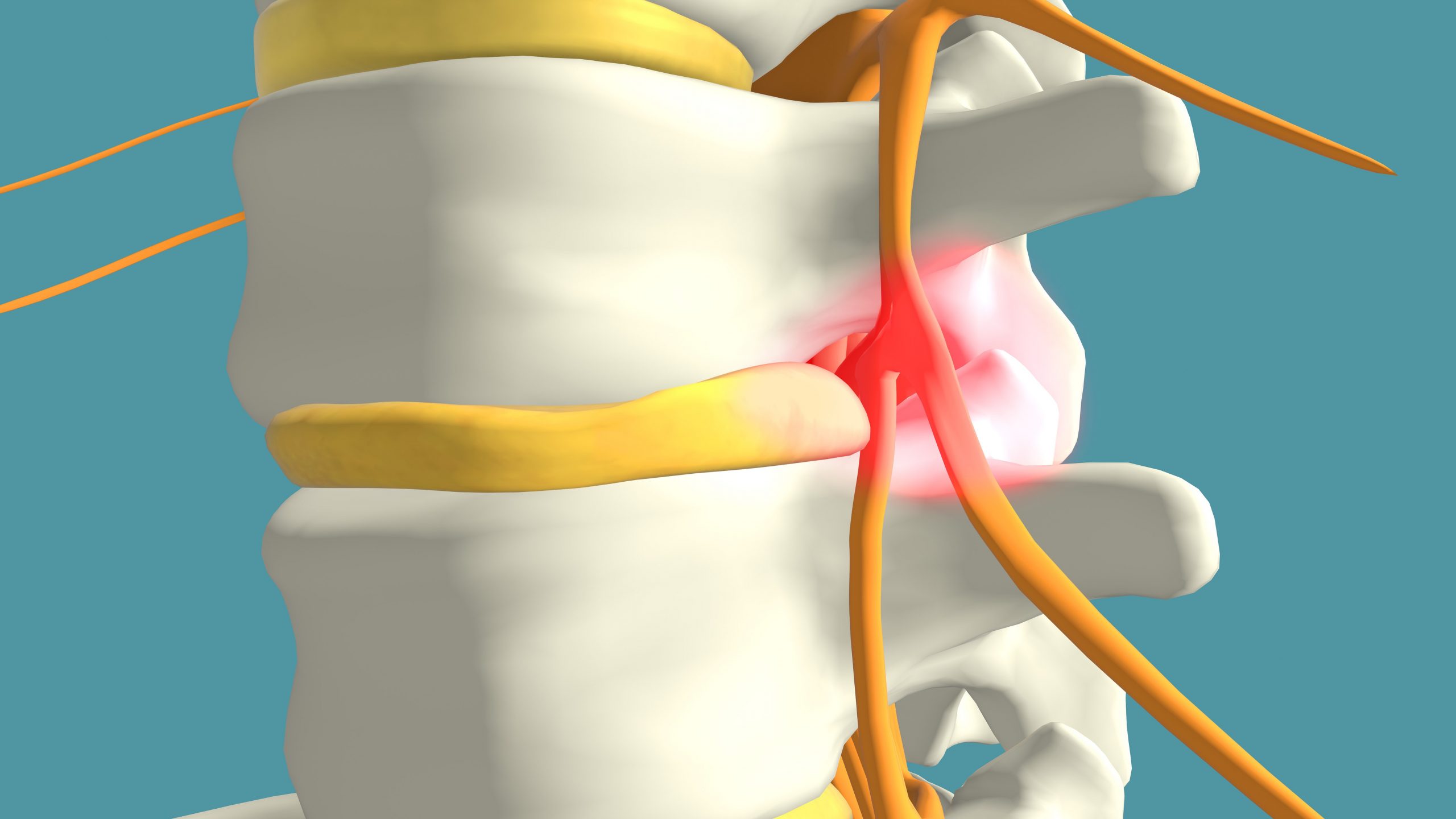
Spinal manipulation by chiropractors primarily targets the vertebral column, which is the central structure of the spine. The vertebral column consists of 24 individual vertebrae when you discount the fused ones in the sacrum and coccyx, these are stacked on top of one another and separated by intervertebral discs. The spine is divided into several regions, including the cervical, thoracic, lumbar, sacral, and coccygeal regions. Chiropractic manipulation can have an impact on several components of the spine, including:
Vertebrae: Chiropractic adjustments are primarily focused on the individual vertebrae. By applying controlled force to specific vertebrae, chiropractors aim to improve mobility and alignment, which can help alleviate pain and improve overall function.
Intervertebral discs: These discs act as cushions between the vertebrae and help absorb shock. Spinal manipulation can potentially affect the position and function of these discs, which is important for maintaining spinal flexibility and preventing issues such as herniated discs.
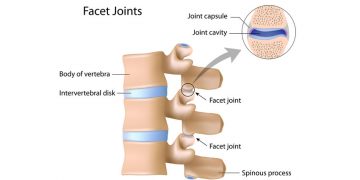
Spinal joints: The manipulation aims to influence the movement and function of the spinal joints, including the facet joints, which are located at the back of each vertebra. These joints are crucial for enabling smooth spinal movement and any dysfunction can contribute to pain and stiffness.
Spinal nerves: Manipulation can indirectly affect spinal nerves by reducing pressure or irritation on them. This can lead to the alleviation of pain and improvement in the functioning of the nervous system.
Chiropractors believe that by adjusting the spine, they can positively influence the nervous system, musculoskeletal system, and overall health of the body.
Why do chiropractors vary in price in the UK?
The cost of seeing a chiropractor in the UK can vary depending on factors such as the location of the clinic, the experience of the chiropractor, and the specific services offered. Additionally, prices may differ based on whether the appointment is for an initial consultation, a follow-up session, or a treatment package.
The cost for an initial consultation with a chiropractor in the UK typically ranges from £40 to £80 or more. Follow-up sessions might be in the range of £30 to £60 per session. These are approximate figures and can vary. At Core Chiropractic an initial consultation, including treatment costing £63 (£50 if booked online) and £38 per follow up session.
Is chiropractic available on the NHS?
Chiropractic treatment is not widely available on the National Health Service (NHS) in the UK. Chiropractic care is considered a complementary and alternative medicine, and access to it through the NHS is limited.
In some cases, a GP may refer a patient to a private chiropractor, but the NHS itself does not typically provide chiropractic services as part of its standard offerings. Patients interested in chiropractic care may need to seek private treatment and cover the costs themselves or through private health insurance if they have coverage for such services.
Is chiropractic in the UK regulated?
Yes, chiropractic is regulated in the United Kingdom. The regulatory body responsible for overseeing chiropractors in the UK is the General Chiropractic Council (GCC). The GCC is an independent statutory body established by the Chiropractors Act 1994. Its primary role is to protect the public by setting standards of education, conduct, and practice for chiropractors.
Chiropractors in the UK must be registered with the GCC to practice legally. The GCC maintains a public register that includes details of all registered chiropractors, allowing patients to check the credentials of their chiropractor and ensuring that they meet the required standards.
The regulation by the GCC includes requirements for education and training, professional conduct, and ongoing professional development for chiropractors. This regulatory framework is in place to ensure that chiropractic care in the UK is provided safely, ethically, and with a high standard of competence.